After she had set her luggage down, Nina began the familiar task of setting up The Board. This was a large corkboard containing a timeline (Neil’s last movements, or at least what little was known about them) of the day Neil disappeared. Details of the scant sightings that had been reported after that day followed, growing more and more sparse as time and years marched on. Verifying them was nigh on impossible, but some contained a few observations that lent them credibility – clothes Neil seemed to be wearing, the odd way his right shoulder tilted when he walked.
Of course, the problem with that is this is an island of 70 million people, and there are plenty of men who look quite a bit like Neil. This was something Nina had never really thought about before, and why would she? Nobody thinks that such tragedy will happen to them. Thus, nobody prepares for it.
As she pinned up the various pieces of paper, she once again noted with a sinking stomach how such sightings and information became rarer and rarer. Last year, 2019, had one entry, and Nina was pretty sure it was not Neil. She included it anyway, if only to have an entry for the year.
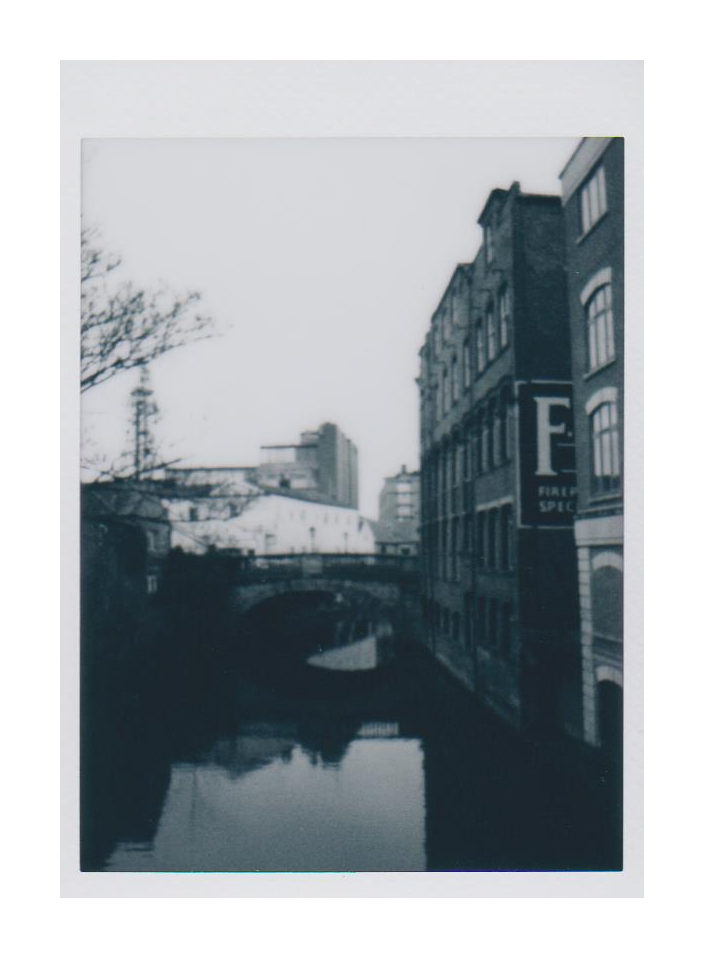
14 years. As long as Neil had been alive. It had seemed unfathomable at the start that Neil would not be found, and found alive at that. He’d be sheepish, there would be tears and maybe some justifiable anger too. But mostly they would be relieved.
Weeks became months. Then a year, two years, five. The liklihood she would never see Neil again inching closer to reality, until Nina accepted a truth so savage and cruel her head hurt just thinking about it: she would be reunited with his bones, if she were lucky. That was when she started looking at John Does, unidentified bodies.
She finished The Board, pressing the last pin in angrily. That was going to be a bitch to pull back out when she had to pack up again, but Nina wasn’t concerned with that right now.
–
After Nina had finished Uni, she had moved away from York, settling down the line in Leeds. Close enough to still visit Mum and Dad. They had never given up putting Neil Alcort’s name into the minds of the public, and holding North Yorkshire Police responsible for the thorough job they had done fucking up the case right from the start. They had not collected any CCTV from either York railway station nor London King’s Cross, or anywhere else for that matter. Nearly three weeks had passed before it occurred to them to do so, and by then nearly all of it had been recorded over. King’s Cross was all they had.
The police had focused initially on the guy a few doors down, an eccentric gentleman named Ray. Ray had wild hair, a wilder beard, and a deep tan that spoke to long days out in the sun. Although he had a place to live and means to pay for it (there was, of course, plenty of speculation about where his money came from) he spent most days, summer or winter, wandering the York streets, chatting with the homeless folks located near the library and the art gallery, two of the places that wouldn’t turf them out.
Ray had never behaved in an inappropriate way to any kids. He had been on the receiving end of abuse from teenagers, the kind who made a point of never going to school, and instead loitered in the city centre looking mean. And they were indeed nasty. Ray had shrugged it off with surprisingly good humour, and a lot of folks – Nina’s family included – liked and respected him.
They had repeatedly emphasised this to the police, but they weren’t having any of it.
By the time the police accepted Ray was innocent, it was already far too late.
Too late. Too late for their parents to know the truth either – Mum had passed away from a stroke (stress, sleepless nights, eating like a bird, all came together and dragged her right into an early grave), and Dad was almost as lost – alive, but so utterly unrecognisable it might as well be a different person. When Mum had passed, so too had whatever was still left of Dad’s sanity.
He’d fallen into online conspiracies theories. He believed Neil was sacrificed by “Elites” (this, Nina had learned from talking to others who had lost family to this rubbish, was anti-semitic code for Jews) and if these “Elites” could be brought down, then everyone would know the truth about the world.
Nina had *tried* to keep in touch, until every phone call and visit became a sermon of racist, hateful bullshit, and then the only thing to do was to wish him well, hope he would climb out this pit he had found himself in, and cut him off.
It was lonely. But Nina, unlike Neil who, despite his sensitive artist side, was a fairly gregarious teenager, was used to being alone. Shy would be the word for her. But that was something she had worked through, pushed firmly aside, in order to keep Neil’s memory alive. Swallowing the nervous churning in her stomach when approaching local TV news for an interview, and now true crime podcasts, the ones that seemed to come from a genuine desire to help, rather than those who were only concerned with using tragedies for exploitative entertainment. Handing flyers out to the disinterested, who would immediately toss them into one of the black “City of York” bins, not even troubling to do this once they were out of Nina’s sight.
Others would at least feign a level of interest and some – too few – would stop, look, and offer Nina kind words. Maybe they were largely hollow platitudes offered out of mere politeness, but just having that acknowledgement of their pain, of Neil’s loss, meant the world to her. Made her feel less of an irritant to passersby who often had no words to offer other than a venomous “piss off.”
Nina stood back at least, taking in the mural before her. It always looked so…bare. but even if it had been covered corner-to-corner, she knew it would still have felt empty. Because Neil would still be gone.
She picked up the stack of paper, her purse and coat – it was time to get to work.